English
1 잉글랜드의; 영국의.
2 잉글랜드 사람의, 영국인의; 영국적인, 영국인다운.
He is English. 그는 영국인이다.
3 영어의.
the English language 영어(⇒ 2).
☆ English side 영어 부분
* Since the half of the 13th century, the petition to the Chancellor could be made by the person who thought that his claim could have obtained some remedy at the point of justice and equity, although it was not remedied by common law. Such activities of the Chancellor were informal, proceeded not in Latin but in English, which was called the English side. 13세기 후반 이래, 그의 청구가 커먼로에 의해서는 구제되지 않지만, 정의와 형평의 관점에서 어떤 구제를 받을 수 있을 것이라고 생각한 자에 의해서 대볍관에 대한 청원이 행하여질 수 있었다. 대법관의 이런 활동은 비공식적이었으며, 라틴어로 진행되지 않고 영어로 진
행되었기 때문에, 이를 영어부분이라 했다.
━
1 (the ~) 《집합적》 (Scotsman, Welshman, Irishman과 구별하여) 잉글랜드 사람; 《광의로》 영국인, 영국민.
The English are a conservative people. 영국인은 보수적인 국민이다.
영어(게르만 어족에 속하며 Old English[Anglo-Saxon](450-1150년경), Middle English(1150-1500년경), Modern English(대체로 1500년 이후)의 3기로 나누어진다).
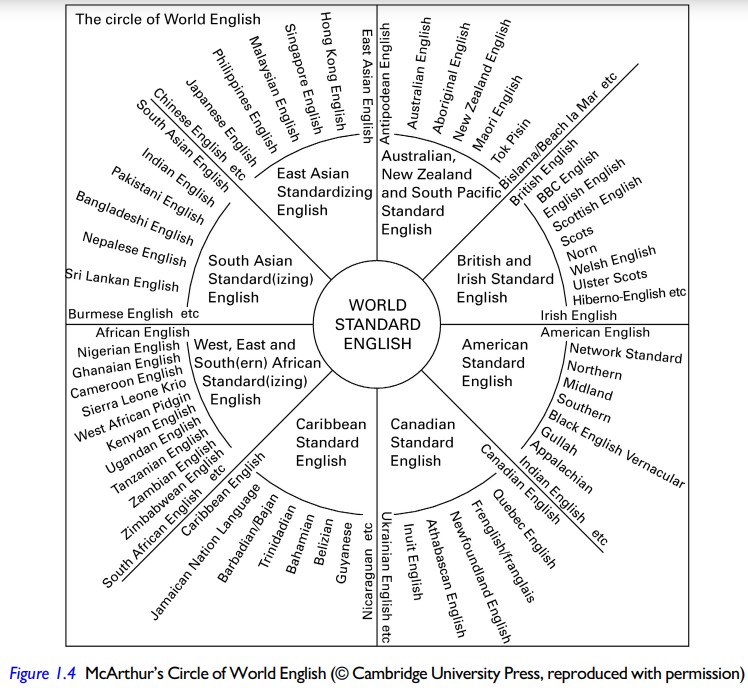
American[British] English 미국 영어[영국 영어].
Queen’s[King’s] English 여왕[국왕] 영어, 순수[표준] 영어.
Shakespearian English 셰익스피어 영어.
Translate[or Put] this into English. 이것을 영어로 번역하라.
She was born and raised in Korea, but she speaks English really well. 그녀는 한국에서 태어나고 자랐지만, 영어를 정말 잘한다.
A: Did you get good grades in English as a student?
B: No, not really. I had a hard time with English back then.
A: Really? But you're really good at English now, aren't you?
B: Oh, no, not really.
A: You can freely express yourself in English. I envy you.
B: I had a good opportunity to study English again a few years ago, and I've been doing it consistently every day.
A: 학교 다닐 때 영어 성적이 좋으셨죠?
B: 아니요. 당시에는 영어가 참 어려웠어요.
A: 정말요? 그런데 지금은 영어를 정말 잘하시는데요?
B: 아이고, 아니에요.
A: 하고 싶은 말도 영어로 술술 하시잖아요. 부럽네요.
B: 몇 년 전에 좋은 계기가 있어서 다시 영어 공부를 시작했는데, 매일 꾸준히 하고 있어요.
(때로 e-) <당구·볼링> 비틀어 치기, 곡구(曲球)(《英》 side); = body English.
4 <인쇄> 잉글리시 활자(14포인트 활자).
5 《美속어》 <컴퓨터> (기계어 프로그램에 대하여) 높은 수준의 언어 프로그램.
☆ English as she is spoke[or broke] 파격 영어.
☆ Give me the English of it. 쉬운 말로 말해줘.
☆ (to talk) in plain English 알기 쉽게 말하면.
A: Paul, you want to check this out? The display you see on this screen is WYSIWYG.
B: Wisee… what? In English, please.
A: Oh, WYSIWYG, an acronym for "what you see is what you get." It's a sort of jargon.
B: So, the display I see on this screen matches what the printed page will look like, right?
A: 폴, 와서 확인할래? 지금 보는 화면이 WYSIWYG야.
B: 위지… 뭐라고? 좀 알아듣게 말해줘.
A: 아, WYSIWYG. "보이는 대로 얻는다"의 줄임말이야. 일종의 전문 용어지.
B: 그러니까 내가 지금 보고 있는 화면이 출력했을 때 모습이랑 똑같다는 말이구나, 맞아?
━
1 (때로 e-) …을 영역하다.
2 [외국어의 철자·발음 따위]를 영어화하다, 영국풍으로 하다(Anglicize).
3 (때로 e-) <당구·볼링> [공]을 비틀어 치다[굴리다].