족 (族)
★ family [화학] 족
[뜻] 주기율표에서 가로줄은 주기(週期)(period)라고 부르고, 세로줄은 비슷한 성질을 가진 원소들이 모여 있으므로 족(族)(family 또는 group)이라고 부른다.
* More than half of the elements known today were discovered between 1800 and 1900. During this period, chemists noted that the physical and chemical properties of certain groups of elements were similar to one another. These similarities, together with the need to organize the large volume of available information about the structure and properties of elemental substances, led to the development of the periodic table, a chart in which elements having similar chemical and physical properties are grouped together. Figure 2.10 shows the modern periodic table in which the elements are arranged by atomic number (shown above the element symbol) in horizontal rows called periods and in vertical columns called groups or families. Elements in the same group tend to have similar physical and chemical properties.
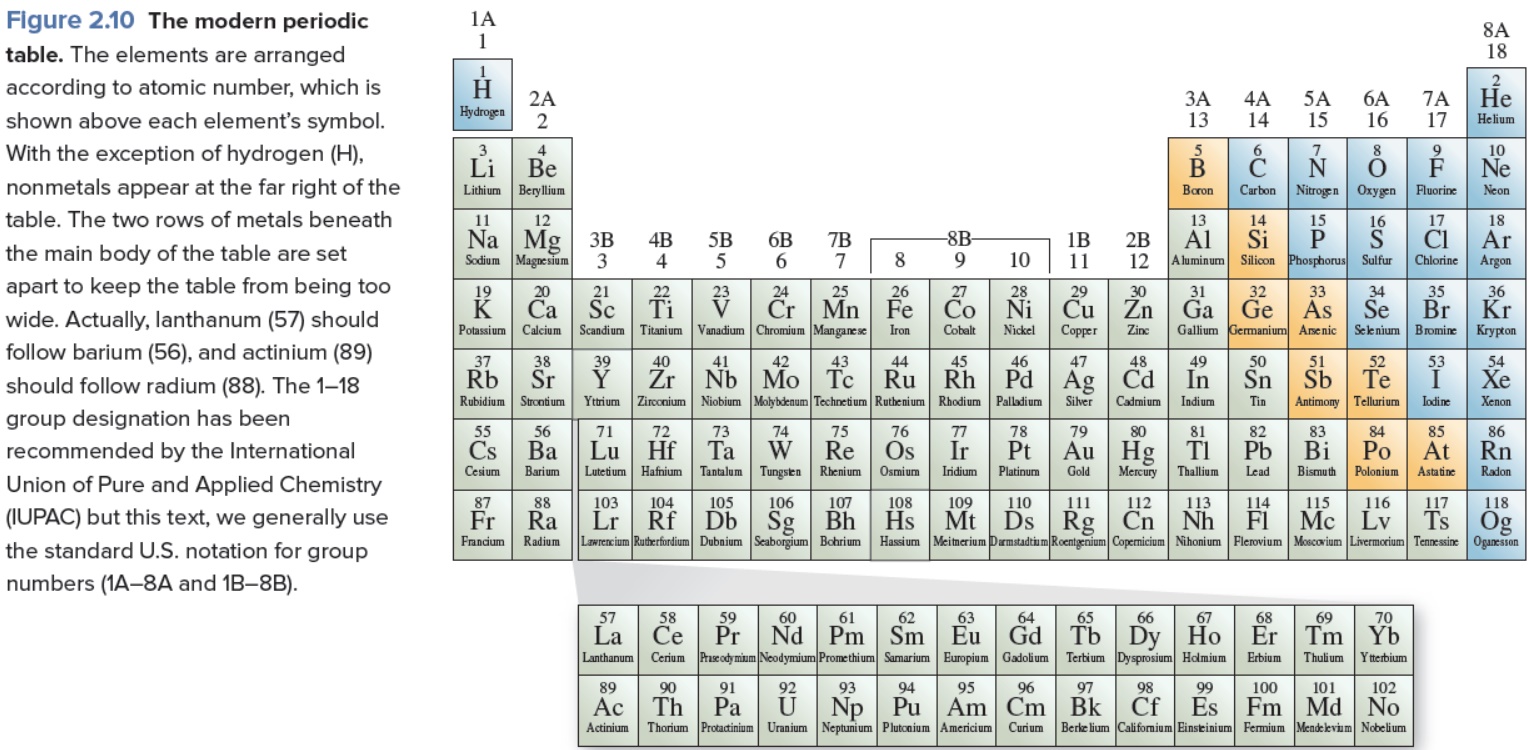
[출처: Chemistry by Julia R. Burdge]
★ group [화학] (주기율표의) 족, 기(基)
[뜻] 주기율표에서 세로로 같은 줄에 있는 화학 원소들을 묶어 족(族)이라고 부른다. 표준 주기율표에는 18개의 족이 있다.
* The term "aliphatic group" means a saturated or unsaturated linear or branched hydrocarbon group. 용어 '지방족기'는 포화되거나 불포화된 선형 또는 분지형 탄화수소기를 의미한다.